
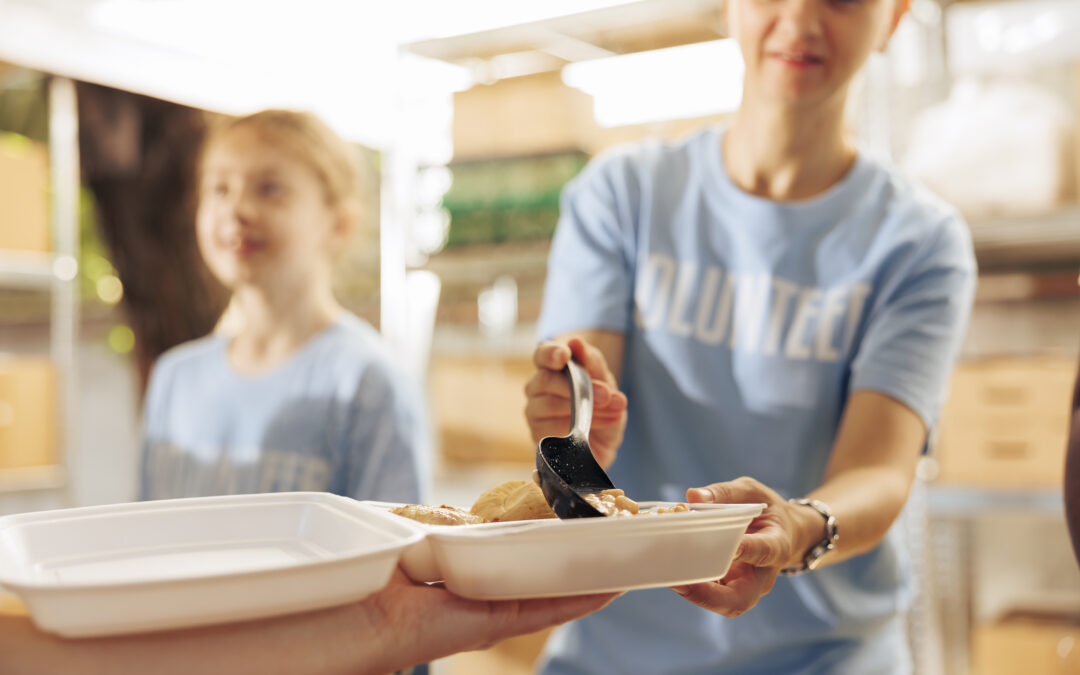
As December approaches and the season of giving takes center stage, many families contemplate how to help children understand generosity beyond simply receiving gifts. Teaching children about giving represents one of parenting’s most important responsibilities, yet it requires understanding of developmental capabilities and strategic approaches that match children’s evolving comprehension of abstract concepts like empathy and social responsibility.
At The Governess & Co, our nannies play crucial roles in modeling and reinforcing lessons about kindness throughout the year. Their consistent presence in children’s daily lives creates ongoing opportunities for demonstrating generosity in authentic contexts rather than as special-occasion performances.
Understanding Developmental Readiness
Children’s capacity for genuine generosity develops predictably from concrete understanding toward increasingly abstract comprehension. Young children grasp immediate, tangible actions but struggle with delayed or invisible impacts. This developmental trajectory requires teaching strategies that match children’s current capabilities rather than expecting understanding beyond their stage.
Professional nannies provide particularly powerful modeling because children observe their moment-to-moment choices throughout ordinary days. When nannies naturally share, help others without being asked, or express genuine pleasure in doing things for others, children absorb these lessons far more effectively than through formal instruction.
Ages 3-5: Making Kindness Concrete and Visible
Preschool children think concretely and understand the world primarily through direct sensory experience. Teaching generosity at this age requires making giving tangible, immediate, and directly observable.
Donation as Visible Action
Our nannies guide young children through selecting toys to donate, discussing which items they’ve outgrown and how other children would enjoy them. The key involves positive framing—”You’re sharing toys with children who would love them” rather than implying these are unwanted castoffs.
When possible, children should participate in physical donation—dropping off toys at donation centers and witnessing their contributions join others’ gifts makes the experience real and memorable.
Creating for Others
Baking cookies, drawing pictures, or creating simple crafts specifically for others helps young children understand that their actions bring joy. Professional nannies facilitate these activities at children’s capability levels, ensuring genuine participation that allows children to feel ownership over their generous acts.
When delivering these creations, children should ideally witness recipients’ pleasure. Seeing grandma’s face light up over a handmade card creates powerful reinforcement that motivates continued generous behavior.
Daily Kindness Opportunities
Beyond structured activities, daily life offers countless opportunities for concrete kindness: holding doors, picking up dropped items, sharing snacks, or helping younger children. Our nannies help children notice and respond to these moments, teaching generosity through immediate, visible acts more effectively than abstract discussions.
Ages 6-9: Connecting Actions to Impact
Elementary school children’s developing cognitive abilities allow for more sophisticated understanding of how their generous actions affect others.
Empowered Choice in Charitable Giving
Rather than adults directing all decisions, school-age children benefit from choosing causes that genuinely interest them. Our nannies might present several charitable options and help children understand what each organization does, then allow children to select based on personal interest.
This autonomy transforms giving from adult-imposed obligation into personally meaningful action. The child who loves animals feels authentic connection to shelter donations, while the child who treasures books meaningfully contributes to literacy programs.
Using Personal Resources
As children begin receiving pocket money, opportunities arise for using their own resources generously. Professional caregivers help children understand that generosity sometimes requires sacrifice—choosing to spend money on gifts for others means less available for personal wants.
However, balance matters. Children shouldn’t feel pressured to give away most of their limited resources. Helping children allocate small portions toward giving while retaining most for personal use teaches proportional generosity appropriate for their stage.
Effort-Based Giving
School-age children can understand that gifts requiring time and effort hold special meaning. Our nannies guide children in creating gifts that require genuine effort—painting picture frames for grandparents, writing illustrated story books for younger siblings, or creating elaborate cards with personal messages.
The investment of time and creativity teaches that generosity involves giving ourselves—our attention, effort, and thought—not just material items.
Ages 10-12: Developing Genuine Empathy and Initiative
Pre-adolescence brings cognitive and emotional development that allows for truly sophisticated generosity based on genuine empathy and independent initiative.
Perspective-Taking and Need Recognition
Pre-teens can genuinely imagine others’ experiences and understand needs from others’ perspectives. Professional nannies facilitate this through conversations encouraging perspective-taking: “How do you think children who can’t afford new clothes feel when school starts?”
These discussions help children develop the empathy that motivates genuine generosity rather than simply complying with adult expectations.
Volunteering Time and Effort
Pre-teens can meaningfully volunteer time in ways younger children cannot. Our nannies help families identify appropriate opportunities matching children’s interests—reading to younger children at libraries, helping organize donations at food banks, or assisting with animal care at shelters.
The key involves genuine contribution rather than token participation. When pre-teens recognize that their efforts actually help, they develop authentic understanding of service and generosity.
Independent Planning and Initiative
Perhaps most significantly, pre-teens can begin planning and executing generous acts independently. A pre-teen might independently organize a toy drive at school, plan a surprise party for a parent’s birthday, or create an ongoing project helping neighbors.
This self-initiated generosity indicates genuine internalization of generous values rather than simply performing behaviors adults require.
The Critical Role of Year-Round Practice
While December’s emphasis on giving creates natural teaching opportunities, genuine generosity develops through consistent practice throughout the year rather than seasonal performance.
Professional nannies excel at identifying everyday opportunities for kindness: helping siblings without being asked, sharing favorite toys, considering family members’ preferences, and noticing when others need help. These regular practices normalize generosity as standard behavior rather than special-occasion performance.
Addressing Common Challenges
Resistance to Sharing or Giving
Children naturally prioritize their own desires. Our nannies avoid forcing generosity, which creates resentment. Instead, they respect children’s attachments to special possessions while guiding them toward generous choices with items that hold less personal meaning.
Developmental Limitations
Young children’s limited empathy capacity means they genuinely struggle to prioritize others’ needs. Professional caregivers recognize these limitations and adjust expectations accordingly, focusing on concrete kindness toward people children know rather than abstract concern for distant others.
Balancing Generosity with Self-Care
An important aspect involves helping children understand that caring for others doesn’t require self-neglect. This balance prevents unhealthy patterns where children feel obligated to sacrifice their wellbeing for others.
Long-Term Impact
Children who develop genuine generosity through appropriate teaching carry these values throughout their lives. They build better friendships based on mutual care, often develop broader social consciousness as they mature, and understand that true fulfillment comes partly through contributing to others’ wellbeing.
Conclusion
Teaching children about generosity requires understanding developmental capabilities, consistent modeling, and strategic approaches matching children’s evolving comprehension. By providing age-appropriate opportunities for generous action, connecting giving to genuine empathy, and modeling generosity year-round, families help children develop kind values that define truly good people.
At The Governess & Co, our nannies understand that their daily modeling around kindness represents their most important contribution to children’s development. When professional caregivers consistently demonstrate generosity in authentic contexts and help families create opportunities for age-appropriate giving, they build foundations for lifelong generous values that shape children’s entire lives and ripple through all their future relationships and communities.