
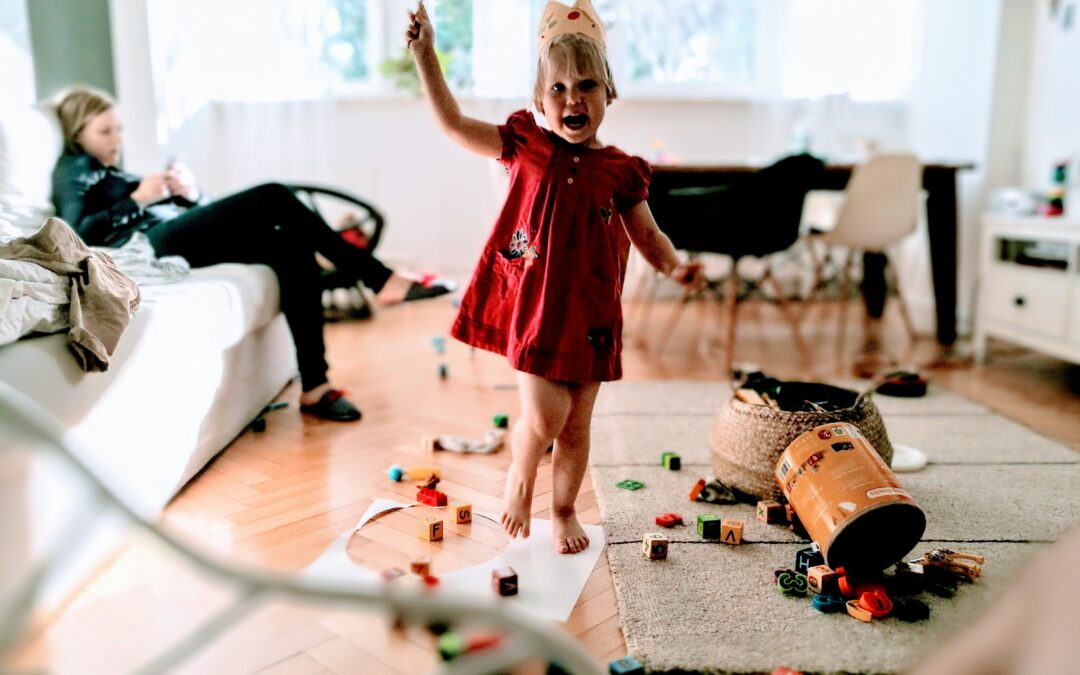
January represents nature’s built-in reset button—a cultural moment when everyone simultaneously considers fresh starts and new approaches to persistent challenges. For families, few challenges feel more persistent than chaotic morning routines. The daily struggle to get everyone dressed, fed, and out the door on time creates stress that colors entire days, affecting work performance, school readiness, and overall family morale. Yet mornings don’t have to feel like battlegrounds. With strategic approaches that involve every family member playing appropriate roles, morning routines can transform from sources of daily stress into smooth, even pleasant, beginnings.
At The Governess & Co, our nannies witness morning routines across countless families and have identified patterns that distinguish peaceful mornings from chaotic ones. The difference rarely involves children’s inherent cooperation levels or parents’ organizational skills. Instead, successful morning routines emerge when families implement simple systems that address predictable challenges proactively rather than reactively managing crises each day.
Understanding Why Mornings Go Wrong
Before exploring solutions, it’s valuable to understand why morning routines fail so predictably across otherwise functional families.
The Time Perception Problem
Mornings compress numerous essential tasks into limited timeframes, yet both adults and children consistently underestimate how long activities actually require. Parents believe they can shower, dress, prepare breakfast, and handle email in twenty minutes. Children think getting dressed takes two minutes when it actually requires ten.
This widespread time optimism creates situations where families are already behind schedule before mornings even begin, generating the stress and rushing that characterize difficult mornings.
Decision Fatigue Before Day Begins
Mornings demand countless micro-decisions before anyone’s truly awake: what to wear, what to eat, which route to take, what to pack. This decision load exhausts mental resources needed for patience, emotional regulation, and cooperative problem-solving—precisely the capabilities families most need during morning routines.
When decision fatigue combines with time pressure, minor obstacles trigger disproportionate reactions. The missing shoe becomes a crisis, the spilled juice provokes tears, and small conflicts escalate into major battles.
Competing Needs and Priorities
Different family members need fundamentally different things from mornings. Parents need efficiency and predictability to reach work on time. Children need autonomy and some control over their experiences. Young children need patience for tasks that require skills they’re still developing. Everyone needs nourishment and basic self-care.
These competing needs create natural tensions that require intentional systems to manage rather than hoping daily negotiations will somehow succeed.
The Parent’s Role: Evening Preparation Creates Morning Peace
The single most impactful change parents can make involves shifting preparation from morning to evening. While this seems obvious, surprisingly few families implement comprehensive evening preparation consistently.
The Fifteen-Minute Investment
Professional nannies observe that parents who invest just fifteen focused minutes in evening preparation experience dramatically smoother mornings. This preparation includes laying out complete outfits including underwear, socks, and shoes for both children and adults, packing school bags and work essentials completely, preparing breakfast components that allow quick morning assembly, setting coffee timers or preparing quick breakfast options, and charging all devices that need morning access.
This evening investment eliminates morning decisions and prevents the scrambling that creates stress. When children wake to find clothes already selected and breakfast ingredients ready, mornings begin calmly rather than chaotically.
Managing the Evening Resistance
Many parents resist evening preparation despite understanding its value. After long days, the temptation to collapse rather than prepare for tomorrow feels overwhelming. Additionally, unpredictable evening dynamics—late work calls, children’s homework struggles, or unexpected meltdowns—sometimes prevent planned preparation.
Our nannies help by establishing evening preparation as non-negotiable family routines that happen before relaxation time begins. When evening prep becomes as automatic as brushing teeth, it requires less willpower and happens more consistently.
Strategic Clothing Systems
Beyond daily preparation, strategic wardrobe organization dramatically reduces morning clothing battles. Professional caregivers help families implement systems like capsule wardrobes where everything coordinates, eliminating the “nothing matches” problem, weather-appropriate sections allowing quick selection based on forecasts, child-accessible organization so children can participate in selection and dressing, and removal of outgrown or seasonally inappropriate items that create false choices.
These systems reduce clothing-related morning delays while building children’s independence and decision-making capabilities.
The Nanny’s Role: Visual Structure Builds Independence
Professional nannies bring crucial expertise in creating systems that build children’s independence while maintaining necessary structure. Their most effective tool involves visual routine charts that make abstract expectations concrete and manageable.
Why Visual Charts Work
Young children struggle with abstract time concepts and verbal multi-step instructions. “Get ready for school” feels overwhelming because it contains numerous substeps that children must remember and sequence correctly. Visual routine charts break this abstract directive into concrete, visible steps that children can follow independently.
Effective charts include photographs or drawings showing each step: wake up, use toilet, get dressed, eat breakfast, brush teeth, put on shoes, grab backpack. Children move through the sequence at their own pace while maintaining accountability for completion.
Implementation Strategies
Our nannies create charts that succeed through careful attention to detail. Charts hang at children’s eye level where they’re easily visible throughout morning routines, use actual photographs of the specific child performing tasks when possible, include checkboxes or moveable pieces allowing children to track completion, and cover realistic timeframes rather than rushed ideal scenarios.
The checking-off process proves as important as the chart itself. Children who physically mark completed tasks experience tangible progress that motivates continued effort. This transforms amorphous “getting ready” into a series of small accomplishments.
Beyond Compliance to Capability
The goal of visual routine charts extends beyond simply achieving adult compliance. These tools build executive function skills—the ability to plan, sequence, and complete multi-step processes independently. Children who successfully navigate morning routines using visual supports develop capabilities that transfer to homework completion, project management, and countless future challenges.
Professional nannies understand this developmental dimension, celebrating children’s growing independence rather than simply demanding task completion. This approach builds confidence alongside capability.
The Child’s Role: Gamification Replaces Nagging
Perhaps the most transformative morning routine strategy involves reframing tasks as games rather than obligations. When children view getting ready as beating challenges rather than obeying commands, cooperation increases dramatically.
The Beat-the-Timer Approach
The simplest gamification involves setting timers for reasonable task completion periods: “Can you get completely dressed before this five-minute timer goes off?” Children race against time rather than resisting parental pressure. The impersonal timer removes relationship tension from task completion.
Effective implementation requires appropriate time allocations—rushing creates frustration while excessive time eliminates challenge. Our nannies calibrate timers based on individual children’s actual capabilities, adjusting as skills develop.
Success celebration matters as much as the challenge itself. When children beat timers, genuine acknowledgment of their accomplishment reinforces positive associations with morning tasks. Failed attempts receive matter-of-fact responses—”That was tricky today! Want to try again tomorrow?”—rather than criticism.
Age-Appropriate Variations
Timer challenges adapt across developmental stages. Preschoolers might race to complete single tasks, elementary school children can manage sequential challenges throughout entire routines, and pre-teens can take ownership of setting their own timers and tracking their performance.
The key involves maintaining the playful challenge element rather than using timers as pressure tactics. When parents become frustrated about timer failures, the approach loses its motivational power and becomes another source of morning stress.
Building Intrinsic Motivation
While gamification begins as external motivation, consistent use often develops into intrinsic drive. Children who regularly experience the satisfaction of completing morning routines efficiently begin taking pride in their capabilities. This internal motivation proves far more sustainable than constant external pressure or rewards.
Professional caregivers facilitate this transition by gradually reducing explicit game elements as children demonstrate consistent success, allowing natural satisfaction in competence to replace external motivation structures.
Bringing It All Together
Successful morning routines require all three elements working in concert. Parents’ evening preparation creates foundations for smooth mornings. Nannies’ visual structure provides clear expectations and tracking systems. Children’s gamified engagement transforms obligations into challenges worth meeting.
When families implement all three approaches consistently, mornings transform remarkably quickly—often within just days rather than weeks. The accumulated small improvements create cascading benefits throughout entire days.
Conclusion
January’s fresh-start energy provides perfect timing for implementing new morning routine systems. The strategies outlined above—parental evening preparation, visual routine structures, and gamified child engagement—address the root causes of morning chaos rather than simply managing symptoms.
At The Governess & Co, our nannies bring expertise in implementing these approaches tailored to individual family dynamics, children’s developmental stages, and household constraints. Their professional support helps families move from theoretical understanding to practical implementation, maintaining consistency through inevitable rough patches that accompany any routine change.
The investment in establishing effective morning routines pays dividends that extend far beyond timely school arrivals. Families who begin days peacefully experience better moods, stronger relationships, and the kind of positive momentum that shapes entire days. When mornings work, everything else feels more manageable.
This year, give yourself and your family the gift of peaceful mornings. The strategies are simple, the implementation is straightforward, and the results genuinely transform daily family life.