
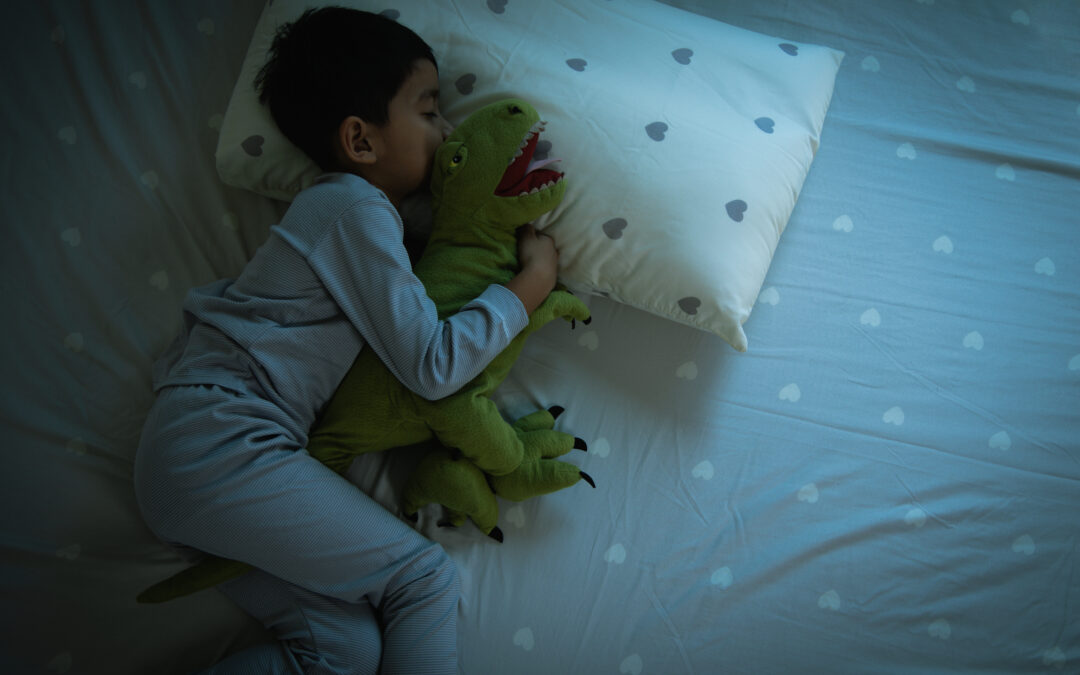
Sleep deprivation in children rarely manifests as obvious yawning or complaints about tiredness. Instead, it disguises itself behind behavioral and emotional symptoms that parents frequently misinterpret as discipline problems, developmental phases, or even medical conditions requiring intervention. Understanding these hidden signs of inadequate sleep represents crucial knowledge for supporting children’s health, development, and daily functioning. Yet recognizing sleep deprivation requires the kind of sustained observation and child development expertise that professional nannies bring to their work.
At The Governess & Co, our nannies consistently identify sleep issues that parents haven’t recognized, not because parents aren’t attentive but because the symptoms look nothing like adult sleep deprivation. Their training and experience allow them to connect behavioral patterns to their underlying cause—insufficient quality sleep—and implement solutions that transform children’s functioning often within days.
Why Children’s Sleep Deprivation Looks Different
Adult sleep deprivation creates predictable symptoms: yawning, difficulty focusing, and the overwhelming desire to sleep. Children’s developing bodies and brains respond differently to insufficient sleep, creating counterintuitive symptoms that mask the actual problem.
The Cortisol Paradox
When children become overtired, their bodies produce cortisol—a stress hormone that creates alertness and energy as a protective mechanism. This physiological response made evolutionary sense when danger threatened and sleep wasn’t safe, but in modern contexts it simply prevents exhausted children from accessing the rest they desperately need.
This cortisol surge explains why overtired children often become more rather than less active as bedtime approaches, leading parents to conclude their children aren’t tired enough for sleep when the opposite is true.
Hidden Sign One: Hyperactivity and Inability to Settle
Perhaps the most misleading symptom of sleep deprivation involves increased rather than decreased activity levels. Children who haven’t slept adequately often seem incapable of settling into quiet activities, constantly seeking stimulation and unable to sustain focus on any single task.
What Parents See
Parents typically interpret this hyperactivity as excess energy requiring more physical outlets. They add activities, increase outdoor time, or assume their children simply possess naturally high energy levels that make extended rest unnecessary.
What Nannies Recognize
Professional nannies understand that quality matters as much as quantity in children’s activity. A child who flits constantly between toys without sustained engagement, who can’t sit through a story that previously held their attention, or who seems driven by frantic rather than joyful energy often exhibits sleep deprivation rather than genuine excess energy.
Our nannies also notice the timing of hyperactivity. When children become increasingly wild and unfocused in late afternoon or early evening—precisely when well-rested children begin naturally calming—sleep deficit often drives the behavior.
How Nannies Address It
Rather than adding stimulating activities that further exhaust children, experienced nannies implement earlier, more structured bedtime routines. They create calm environments during the hours before sleep, reducing rather than increasing stimulation. Often, simply moving bedtime 30-60 minutes earlier eliminates the hyperactivity parents have struggled to manage through other interventions.
Hidden Sign Two: Emotional Dysregulation and Disproportionate Reactions
Sleep-deprived children demonstrate dramatically reduced capacity for emotional regulation. Situations that well-rested children handle easily trigger overwhelming reactions when children lack adequate rest.
The Sandwich Cut Wrong Phenomenon
Professional nannies recognize patterns where reasonable children suddenly seem impossible to satisfy. The sandwich cut in triangles rather than squares provokes tears. The blue cup instead of the red cup creates genuine distress. These aren’t manipulative tantrums but rather symptoms of depleted emotional regulation resources.
Sleep deprivation affects the prefrontal cortex—the brain region responsible for emotional control, rational thinking, and appropriate response calibration. When this area functions poorly due to inadequate rest, minor frustrations genuinely feel catastrophic to children who lack the neurological resources for perspective and proportion.
What Nannies Notice
Experienced caregivers track patterns in emotional meltdowns. When a child who typically handles disappointment reasonably begins having disproportionate reactions to minor issues, nannies consider sleep as a potential cause before assuming behavioral problems requiring discipline or emotional issues requiring intervention.
They also notice timing patterns. Children who function reasonably in mornings but become increasingly fragile as days progress often need earlier bedtimes that provide adequate overnight recovery.
Nanny Solutions
Rather than treating each emotional outburst as an isolated discipline issue, nannies who recognize sleep deprivation address the root cause. They implement consistent sleep schedules, protect nap times even when children resist, and communicate with parents about the connection between earlier bedtimes and improved emotional regulation.
They also adjust their own responses during the transition period, offering extra patience and support while children’s sleep patterns normalize rather than expecting improved behavior before addressing the underlying sleep deficit.
Hidden Sign Three: Physical Complaints and Frequent Illness
Chronic sleep deprivation creates genuine physical symptoms that children experience and report accurately even when adults dismiss them as attention-seeking or exaggeration.
The Immune System Connection
Adequate sleep directly supports immune system function. Children who consistently sleep insufficiently catch more colds, experience longer illness duration, and struggle to fight off infections that well-rested immune systems handle efficiently.
Professional nannies notice when children seem constantly slightly unwell—perpetual runny noses, frequent stomach complaints, or recurring minor infections. While these symptoms certainly can indicate genuine medical issues requiring professional evaluation, they also commonly result from chronic sleep deprivation weakening immune defenses.
Pain Threshold Changes
Sleep deprivation also lowers pain thresholds, making ordinary sensations feel genuinely uncomfortable. The stomach that feels slightly unsettled when well-rested becomes a true tummy ache when exhausted. The minor headache that passes quickly with adequate sleep persists and intensifies when children lack rest.
Children aren’t faking these complaints—their bodies genuinely hurt more when sleep-deprived, even when no underlying medical condition exists.
How Nannies Respond
Rather than dismissing physical complaints as attention-seeking, experienced nannies take them seriously while also considering whether sleep patterns might be contributing. They track whether complaints concentrate during certain times of day or correlate with particularly poor sleep nights.
When patterns suggest sleep involvement, nannies work to improve sleep quality and quantity before assuming medical intervention is necessary. Often, establishing healthy sleep patterns eliminates physical complaints that seemed to require medical attention.
The Critical Role of Professional Nannies
Professional nannies bring unique advantages to recognizing and addressing children’s sleep deprivation that parents, despite their deep love and commitment, often cannot replicate.
Comparative Perspective
Nannies who work with multiple families over years develop comparative frameworks that parents of one or two children lack. They recognize what normal variations in energy, emotional regulation, and physical health look like versus patterns indicating genuine problems requiring intervention.
This perspective helps them distinguish between concerning sleep deprivation and normal childhood variations, preventing both under-response to genuine issues and over-response to temporary phases.
Consistent Observation
Professional nannies observe children during various times and contexts throughout days and weeks, noticing patterns that parents who primarily see children during rushed morning and evening periods might miss. They track how children function after different amounts of sleep, identifying optimal rest requirements for individual children rather than assuming general guidelines apply uniformly.
Implementation Authority
Perhaps most importantly, nannies possess the authority and time to implement sleep solutions consistently throughout days. They can enforce appropriate nap times, maintain calming afternoon routines, and begin bedtime preparations at optimal times even when this requires saying no to spontaneous activities or social invitations.
This consistency matters enormously for establishing the reliable sleep patterns that resolve deprivation symptoms.
Practical Solutions
Addressing children’s sleep deprivation requires concrete action rather than simply awareness of the problem.
Earlier Bedtimes
The single most effective intervention involves moving bedtimes earlier—often significantly earlier than parents initially imagine necessary. Most children need more sleep than cultural norms suggest, and the 30-60 minutes gained through earlier bedtimes often eliminates symptoms that seemed to require complex interventions.
Consistent Schedules
Sleep patterns benefit from consistency across all days, including weekends and holidays. While occasional variation is inevitable and acceptable, chronic inconsistency prevents children from establishing the reliable circadian rhythms that support quality rest.
Professional nannies help families understand that weekend sleep schedule variations often create the Monday morning difficulties and midweek emotional struggles that parents attribute to other causes.
Screen-Free Wind-Down
Electronic screens emit blue light that suppresses melatonin production and delays sleep onset. Creating screen-free periods before bedtime—ideally 90 minutes but minimum 60 minutes—allows children’s bodies to prepare naturally for sleep rather than fighting against artificial wakefulness signals.
Conclusion
Sleep deprivation in children creates symptoms that look nothing like adult tiredness, leading parents to address behavioral problems, emotional difficulties, or physical complaints without recognizing the common underlying cause. Professional nannies bring the expertise to recognize these hidden signs and implement solutions that often transform children’s functioning within days.
At The Governess & Co, our nannies understand that adequate sleep represents foundation for everything else in children’s development and daily functioning. When sleep patterns support rather than undermine children’s needs, behavioral difficulties often resolve, emotional regulation improves, and physical health strengthens—all without complex interventions or discipline strategies.
If your child demonstrates hyperactivity, emotional dysregulation, or frequent physical complaints, consider whether sleep might be the overlooked factor connecting these symptoms. Sometimes the most effective intervention isn’t adding activities, implementing behavior plans, or seeking medical evaluation but rather simply ensuring your child sleeps adequately for their developmental needs.