
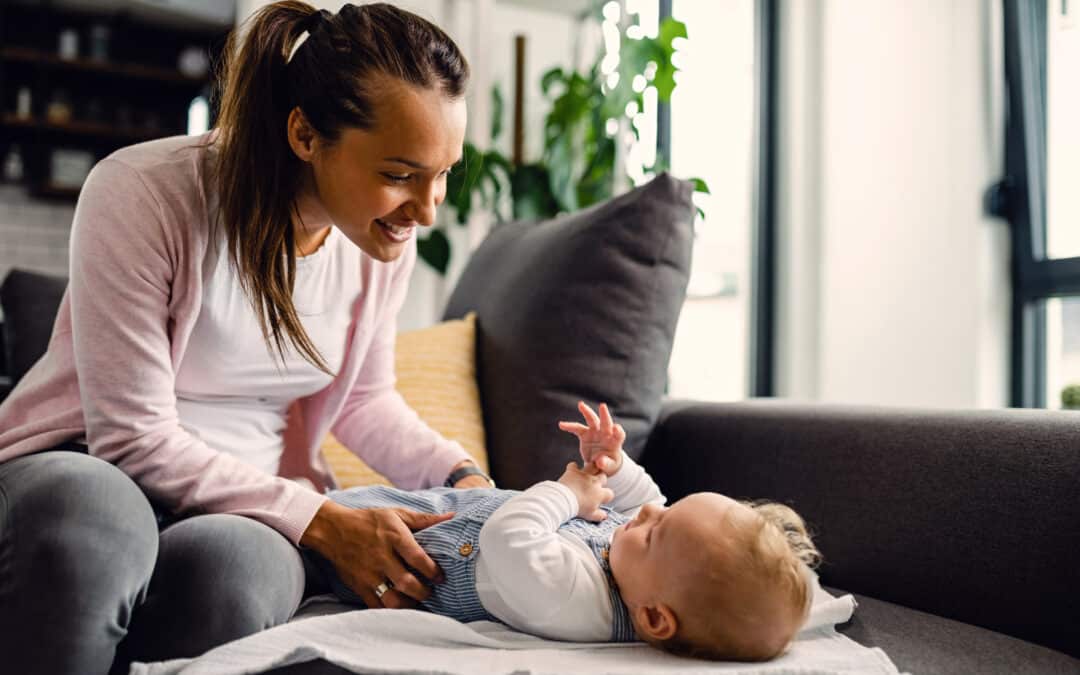
Childcare represents physically demanding, hands-on work that involves constant movement, close physical contact with children, messy activities, and the kind of practical demands that make certain presentation choices functional necessities rather than optional preferences. Yet conversations about appropriate professional presentation and uniforms in domestic childcare often trigger strong emotional reactions—particularly around uniforms—that reveal deeper cultural assumptions about household employment, professional dignity, and the nature of care work itself.
At The Governess & Co, we’ve navigated countless conversations with both families and candidates about presentation standards and uniform expectations. These discussions frequently surface tension between professional practicality and personal expression, between household employers’ legitimate expectations and care workers’ dignity and autonomy. Understanding why certain presentation standards serve genuine functional purposes while also addressing the emotional complexity around uniforms helps everyone approach these topics more thoughtfully.
The Practical Reality of Hands-On Childcare
Before addressing specific presentation standards or uniform debates, acknowledging the actual physical nature of professional childcare helps frame why certain choices represent practical necessities rather than arbitrary rules.
The Physical Demands
Professional nannies spend their days holding children—infants who need constant carrying, toddlers who request “up” repeatedly, older children who still seek physical comfort and connection. They sit on floors, crawl through play structures, run in parks, and move constantly between activities requiring different physical positions and movements.
They also manage messy activities inherent to childhood—diaper changes, meal assistance with food-throwing toddlers, art projects involving paint and glue, outdoor play in dirt and sand, and the countless spills, accidents, and incidents that characterize daily life with young children.
This physical reality means that presentation choices affecting comfort, mobility, hygiene, and practical functioning aren’t optional considerations but rather fundamental aspects of being able to perform job responsibilities effectively and safely.
Safety Considerations
Certain presentation standards also connect directly to children’s safety rather than simply caregiver comfort. Long, loose hair can be grabbed by infants, creating danger for both child and caregiver. Long nails—whether natural or artificial—increase scratch risk during diaper changes, dressing, or the countless moments of physical contact that characterize childcare. Dangling jewelry can be pulled by curious toddlers or catch on playground equipment.
Strong perfumes, while personally pleasant, can trigger allergies or sensitivities in young children whose developing systems react more strongly to chemical exposure than adults’. They can also mask important smells—the indicators of soiled diapers, gas leaks, or other situations requiring immediate awareness.
These safety considerations mean that certain presentation standards represent genuine professional requirements rather than aesthetic preferences or attempts to control personal expression.
Practical Presentation Standards
Understanding which presentation standards serve genuine functional purposes helps distinguish necessary professional requirements from potentially arbitrary rules that might reasonably be questioned or negotiated.
Clean, Short Nails
Perhaps no presentation standard proves more universally necessary than maintaining clean, short nails. The physical intimacy of childcare—diaper changes, bathing, dressing, feeding—creates countless moments where long nails increase scratch risk or harbor bacteria that can transfer to vulnerable young children.
Artificial nails—regardless of how well-maintained—often harbor bacteria in gaps between natural nails and extensions. They also break more easily during physical childcare activities, creating both hygiene concerns and sharp edges that can scratch delicate skin.
Short, clean natural nails represent non-negotiable professional standard for hands-on childcare work, comparable to medical professionals’ nail requirements. This isn’t about aesthetic preference but rather basic hygiene and safety in work involving intimate physical contact with vulnerable populations.
Secured Hair
Long hair requires secure restraint during childcare—tied back, braided, or otherwise contained to prevent children from grabbing it while also keeping it away from food preparation, diaper changes, and other hygiene-sensitive activities.
This standard serves dual purposes: protecting caregivers from having hair pulled painfully by infants and toddlers who grab anything within reach, and maintaining appropriate hygiene during activities where loose hair could contaminate food or transfer bacteria.
Hair restraint represents another non-negotiable professional standard comparable to food service workers’ requirements. The specific style—ponytail, bun, braid—remains personal choice, but the principle of secure containment during work hours serves genuine functional purposes.
Neutral, Practical Clothing
Clothing choices for childcare work must accommodate constant movement, floor sitting, running, and inevitable contact with various substances children produce or play with. This reality makes certain garments fundamentally impractical regardless of personal style preferences.
Low-cut tops create inappropriate exposure during the constant bending, reaching, and floor play that characterizes childcare. Short skirts or dresses restrict movement and create wardrobe malfunction risks during active play. Delicate fabrics that can’t withstand washing or that stain easily prove impractical for work involving paint, food, outdoor play, and bodily fluids.
Neutral, practical clothing—comfortable trousers or appropriate-length skirts, modest tops that stay in place during movement, durable fabrics that wash easily—represents functional requirement rather than aesthetic policing. Nannies need to move freely, sit on floors comfortably, and engage in messy activities without worrying about clothing damage or inappropriate exposure.
Minimal Fragrance
Strong perfumes, while personally enjoyable, create genuine problems in childcare contexts. Young children’s developing systems react more sensitively to chemical exposure, making strong fragrances potential trigger for headaches, nausea, or allergic reactions. Infants and toddlers also experience the world significantly through smell, and overwhelming artificial fragrances can cause genuine distress.
Additionally, strong perfumes can mask important environmental cues—the smell of soiled diapers, gas leaks, smoke, or other situations requiring immediate caregiver awareness and response.
Minimal or no fragrance represents another reasonable professional standard comparable to healthcare settings where strong scents are discouraged or prohibited due to patient sensitivities and the importance of environmental awareness.
Appropriate Swimwear
For nannies whose responsibilities include water play, beach outings, or pool supervision, appropriate swimwear standards ensure caregivers can move freely, maintain modesty during active play with children, and focus on supervision rather than wardrobe management.
One-piece swimwear or conservative two-piece options that stay securely in place during movement serve these functional purposes. This standard isn’t about controlling bodies or imposing unreasonable modesty requirements but rather ensuring swimwear supports the physical demands and supervision responsibilities of water-based childcare.
Distinguishing Function from Control
While the presentation standards above serve genuine functional purposes, important distinctions exist between functional requirements and potentially arbitrary control over personal expression.
What Serves Children and Work
Functional presentation standards directly support either children’s safety and wellbeing or caregivers’ ability to perform physical job requirements effectively. They can be explained through specific practical rationales rather than vague appeals to “professionalism” or “appropriateness.”
When families or agencies implement presentation standards, they should be able to articulate clear functional purposes: “Short nails prevent scratching during diaper changes and reduce bacteria transfer” rather than simply “long nails look unprofessional.”
What Reflects Personal Preference
Conversely, some presentation expectations reflect employer aesthetic preferences rather than functional necessity. Requiring specific hair colors, prohibiting visible tattoos that don’t affect job performance, mandating particular makeup approaches, or controlling clothing choices beyond basic modesty and practicality often represent personal preference rather than functional requirement.
These preference-based standards deserve different treatment than functional requirements. While families certainly can express preferences, caregivers should feel empowered to negotiate around requirements that don’t serve clear functional purposes and that feel like unnecessary control over personal expression.
The Uniform Question
Perhaps no presentation topic generates more emotional reaction than uniforms—the suggestion that household staff should wear standardized clothing provided or specified by employing families.
The Emotional Resistance
I’ve heard countless variations of “It’s so degrading to ask a nanny to wear a uniform.” This resistance stems from legitimate historical context—domestic service history includes genuinely degrading practices where uniforms served to mark class distinctions and enforce hierarchical social order rather than serving functional purposes.
Additionally, uniforms in domestic settings feel different to many people than uniforms in other professional contexts. We don’t question doctors, nurses, chefs, or airline staff wearing uniforms, yet the same practice in private homes triggers discomfort rooted in associations with servitude and class hierarchy.
The Functional Case
Yet uniforms in household employment can serve genuine practical purposes that have nothing to do with enforcing hierarchy or “putting staff in their place.”
Uniforms remove daily decision-making about appropriate work attire, eliminating the mental load of planning outfits and the potential stress of wondering whether clothing choices will be judged as appropriate. They create clear boundaries between work and personal life—when the uniform goes on, work begins; when it comes off, personal time starts.
They also protect personal clothing from the inevitable damage that childcare work inflicts. Paint stains, food spills, grass stains, and general wear from physical activity don’t damage caregivers’ personal wardrobes when work occurs in provided uniform clothing.
For families employing multiple household staff, uniforms create visual clarity about roles—particularly valuable in larger households where multiple people might be present and where children benefit from clear understanding of who holds which responsibilities.
What Matters in Implementation
The difference between uniforms as practical tool versus degrading imposition lies largely in implementation specifics.
Uniforms that consist of simple, comfortable, practical clothing—polo shirts and trousers, for example—feel very different than elaborate costumes designed to create particular aesthetic effects. Uniforms provided and maintained by families (who cover costs and handle laundering) feel different than uniforms that caregivers must purchase and maintain themselves.
Uniforms presented as practical solution that benefits caregivers—”We provide work clothing so your personal wardrobe doesn’t get ruined, and you don’t have to think about what to wear each day”—feel different than uniforms framed as requirements that enforce particular household aesthetics or that serve primarily to visually distinguish staff from family.
Cultural Context Matters
It’s also worth acknowledging that uniform acceptance varies significantly across cultures. In some contexts, household staff uniforms represent expected professional standard that carries no negative connotation. In others, they trigger strong resistance rooted in specific historical experiences with domestic service.
Families and agencies operating across cultural contexts benefit from recognizing these variations and having thoughtful conversations about uniform expectations rather than assuming universal acceptance or universal resistance.
Balancing Professionalism and Personal Dignity
The broader challenge involves balancing legitimate professional standards with respect for caregivers’ personal dignity, autonomy, and right to self-expression.
Professional Standards Are Legitimate
Families have legitimate right to establish professional standards for people working in their homes and caring for their children. These standards can include presentation requirements that serve functional purposes—hygiene, safety, practical ability to perform physical job demands.
Caregivers entering professional childcare should expect reasonable presentation standards comparable to other professional contexts. This doesn’t represent unreasonable control but rather normal professional expectation.
Personal Dignity Deserves Protection
Simultaneously, caregivers deserve treatment that respects their dignity, autonomy, and personhood beyond their functional role. Standards that feel controlling, that serve primarily aesthetic preferences rather than functional purposes, or that seem designed to enforce hierarchical distinctions rather than support good care deserve questioning.
The goal involves finding the balance where professional standards serve genuine purposes while caregivers feel respected as whole people rather than controlled in ways that exceed what job performance actually requires.
Conclusion
Practical presentation in childcare serves genuine functional purposes rooted in the physical demands of hands-on work with young children. Clean short nails, secured hair, neutral practical clothing, minimal fragrance, and appropriate swimwear represent reasonable professional standards comparable to other hands-on care professions rather than arbitrary attempts to control personal expression.
Uniforms occupy more complex territory where legitimate practical benefits—removing daily wardrobe decisions, protecting personal clothing, creating role clarity—intersect with historical baggage and cultural variations in how household employment uniforms are perceived. Implementation details matter enormously in determining whether uniforms serve as practical tools or feel like degrading impositions.
At The Governess & Co, we encourage thoughtful conversations about presentation standards that acknowledge both functional necessities and personal dignity. We help families articulate which standards serve genuine purposes while helping caregivers understand that reasonable professional expectations don’t represent attacks on autonomy or personhood.
The ultimate goal involves professionalism that serves children’s wellbeing, supports caregivers’ ability to do their work effectively, and maintains respect for everyone’s dignity within employment relationships that navigate the unique complexity of professional obligations unfolding in intimate family settings.