
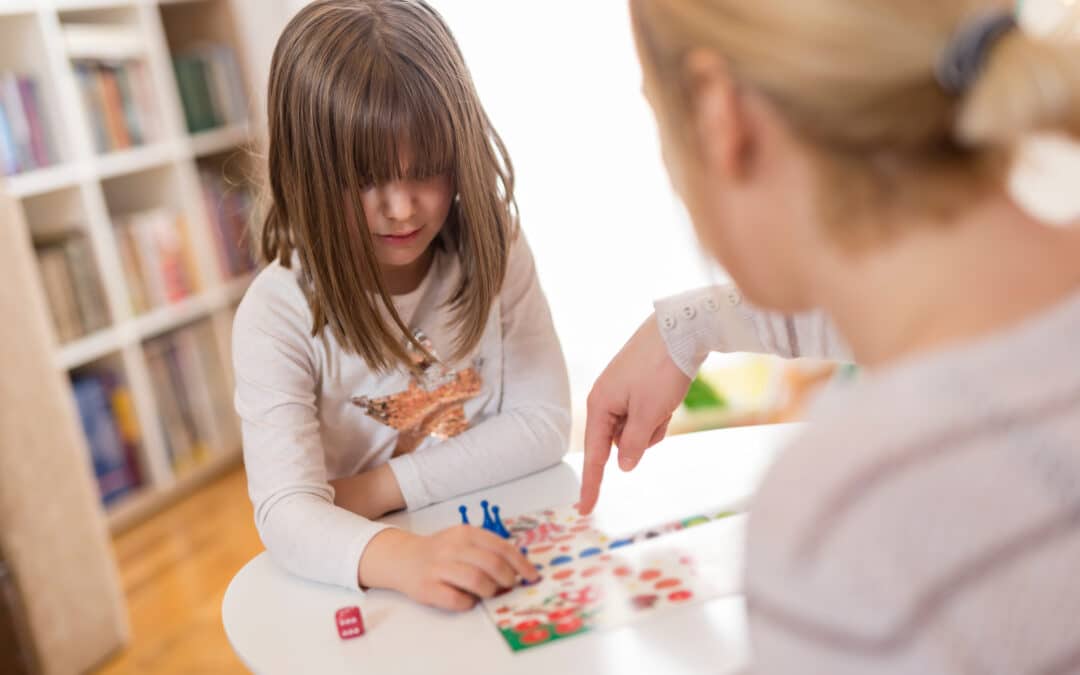
Few parenting moments feel more frustrating than watching a child dissolve into tears, anger, or complete emotional meltdown because they lost a board game, came second in a race, or didn’t win the prize they wanted. These intense reactions to losing—flipping game boards, refusing to play again, sobbing inconsolably, or angrily blaming others—test parents’ patience while also triggering worry about whether children are developing appropriate resilience and emotional regulation for navigating life’s inevitable disappointments.
Yet learning to handle losing gracefully represents one of childhood’s most important developmental tasks. Children who can experience disappointment without complete emotional collapse, who can persist after setbacks, and who understand that individual failures don’t define their overall worth develop resilience that serves them throughout life—in academics, athletics, relationships, careers, and every domain where success isn’t guaranteed and effort doesn’t always produce desired outcomes.
At The Governess & Co, our nannies understand that games and low-stakes competition provide ideal practice grounds for building these crucial skills. Through thoughtful approaches that validate feelings while teaching regulation, model appropriate responses, and reframe what winning and losing actually mean, professional caregivers help children develop the emotional resilience that transforms losing from devastating catastrophe into manageable disappointment.
Understanding Why Losing Feels Catastrophic
Before exploring strategies for teaching children to handle losing, understanding why defeat feels so intensely painful to developing minds helps adults respond with appropriate empathy rather than frustration about what seems like overreaction to trivial situations.
Developmental Perspective Limitations
Adult brains possess cognitive capabilities that allow us to contextualize individual losses within broader frameworks. We understand that losing one game doesn’t make us losers generally, that today’s defeat doesn’t predict tomorrow’s outcomes, and that our worth as people exists independently from our performance in any single competitive situation.
Young children lack these sophisticated perspective-taking abilities. When they lose games, their developing cognitive systems struggle to separate “I lost this specific game” from “I am a loser.” The specific defeat feels like verdict on their fundamental adequacy rather than isolated incident with limited implications.
This cognitive limitation means that what adults perceive as minor disappointment—losing a simple board game—genuinely feels catastrophic to children whose brains can’t yet generate the perspective that would make the loss feel manageable.
Emotional Regulation Capacity
Beyond cognitive limitations, children’s still-developing emotional regulation systems struggle to manage the intense disappointment that losing triggers. The neurological pathways that allow adults to feel disappointed while maintaining overall emotional equilibrium haven’t fully developed in young children.
When children lose, the resulting disappointment floods their systems with intensity they genuinely can’t regulate independently. The tears, anger, or complete emotional shutdown aren’t manipulative performances or character flaws but rather authentic responses from nervous systems lacking mature regulatory capabilities.
Understanding this developmental reality helps adults respond with empathy—”You’re feeling really upset right now, losing is genuinely hard”—rather than judgment—”You’re overreacting, it’s just a game.”
The High Stakes of Childhood Competition
Additionally, children often invest enormous emotional stakes in competitive situations that adults perceive as trivial. Winning the family board game might feel crucially important to a child seeking parental approval, wanting to prove capability to older siblings, or needing some area where they feel competent after struggling elsewhere.
These emotional stakes—often invisible to adults who view games as simple entertainment—make losses feel proportionally devastating. What looks like overreaction to minor disappointment might actually represent genuine grief over what felt like high-stakes failure.
Strategy One: Validate Feelings While Setting Behavioral Boundaries
The foundational approach for helping children handle losing involves clearly distinguishing between feelings—which deserve validation and acceptance—and behaviors—which require appropriate limits.
The Feeling-Behavior Distinction
Professional nannies consistently practice separating emotional experience from behavioral expression. When children lose games and respond with intense emotion, skilled caregivers validate the feeling: “You’re feeling really disappointed right now. Losing is hard, and it makes sense that you’re upset.”
This validation communicates crucial messages: your emotions are acceptable, feeling disappointed is normal and understandable, and adults recognize and respect your genuine distress rather than dismissing it as silly overreaction.
Simultaneously, nannies maintain clear behavioral boundaries: “Feeling disappointed is okay. Throwing game pieces isn’t. Let’s take some deep breaths together and talk about what would help you feel better.”
This distinction helps children understand that all emotions are acceptable—they’re not “bad” or “wrong” for feeling upset—while certain behavioral expressions require limits. The problem isn’t the disappointment but rather how that disappointment gets expressed.
Avoiding Common Validation Mistakes
Well-intentioned adults often make validation mistakes that accidentally intensify rather than soothe children’s distress. Common errors include:
Minimizing: “It’s just a game, don’t be so upset” dismisses children’s genuine feelings and communicates that their emotional responses are inappropriate, creating shame on top of disappointment.
False Equivalence: “I know exactly how you feel” often rings false to children who correctly perceive that adults don’t actually experience game losses with similar intensity, undermining trust in adult understanding.
Rushed Solutions: “You’ll win next time!” or “Let’s play again so you can win!” attempts to eliminate disappointment rather than helping children sit with and process it, teaching avoidance rather than regulation.
Effective validation simply names and accepts the emotion without trying to fix, minimize, or rush through it: “This feels really hard right now. Losing is disappointing.” This acknowledgment allows children to feel seen and understood, which itself begins soothing the distress.
Teaching Expression Rather Than Suppression
The goal involves helping children develop healthy emotional expression rather than suppressing feelings to avoid adult disapproval. Professional nannies teach specific strategies for managing intense disappointment:
“When you feel this upset, you can take deep breaths, ask for a hug, walk away until you calm down, or tell me how you’re feeling with words. You can’t throw things or hurt people.”
This teaching provides children with appropriate outlets for intense emotion while maintaining necessary behavioral boundaries.
Strategy Two: Model Appropriate Losing Responses
Perhaps no teaching strategy proves more effective than adults consistently modeling the graceful losing responses they hope children will develop.
The Power of Observation
Children learn primarily through observation rather than instruction. They watch how adults handle disappointment, setbacks, and losses across countless daily situations, internalizing these observed patterns far more deeply than any lecture about appropriate behavior.
When professional nannies play games with children, they intentionally lose regularly—not by obviously throwing games, which children recognize and which undermines genuine competition, but by playing honestly without always employing their full adult strategic capabilities.
When they lose, they model the responses they hope children will adopt: “Oh, you won! That was a good game. I enjoyed playing even though I didn’t win this time. Want to play again?”
What Effective Modeling Includes
Skilled modeling involves several specific elements that help children understand what graceful losing actually looks like in practice:
Acknowledging Disappointment Honestly: “I’m a little disappointed I didn’t win, but I had fun playing” validates that losing creates real feelings while demonstrating that those feelings don’t have to overwhelm or prevent continued engagement.
Congratulating Winners Genuinely: “You played really well! That move in the third round was smart” shows that losing doesn’t require diminishing others’ success or making excuses.
Maintaining Positive Relationship: Continuing to engage warmly with the winner—not withdrawing emotionally or creating distance—demonstrates that competitive outcomes don’t threaten relationships or affection.
Expressing Continued Interest: “I’d like to try again—maybe I’ll do better next time!” shows persistence and optimism despite current defeat.
Avoiding Toxic Modeling
Just as positive modeling teaches healthy responses, negative adult modeling—even when not directed at children—teaches problematic patterns.
Adults who respond to their own losses with anger, excuses, or accusations model that losing justifies poor behavior. Those who quit activities when they’re not winning teach avoidance. Those who become cold or withdrawn after defeats demonstrate that competitive outcomes threaten relationships.
Professional nannies remain conscious of their own losing responses, recognizing that children absorb these patterns whether or not adults intend them as instruction.
Strategy Three: Practice in Low-Stakes Contexts
Building losing tolerance requires extensive practice, and strategic selection of practice contexts determines whether children develop genuine resilience or simply experience repeated overwhelming distress.
Choosing Appropriate Practice Games
Professional nannies select games intentionally for practicing losing skills, prioritizing several characteristics:
Short Duration: Games lasting 5-10 minutes allow multiple rounds in single sessions where winning and losing both occur repeatedly, normalizing both outcomes and preventing any single loss from feeling definitive.
Simple Rules: Complex games requiring sustained concentration leave children with fewer emotional resources for managing disappointment when they lose. Simple games allow focus on the losing-management practice rather than cognitive demands.
Some Luck Element: Games involving significant luck—dice rolls, card draws—help children understand that outcomes aren’t entirely within their control, reducing the tendency to interpret losses as personal failures reflecting inadequate skill or effort.
Low Emotional Investment: Practice games should feel fun but not critically important. Avoid introducing losing practice during high-stakes tournaments, competitive situations with peers watching, or games children feel desperate to win for specific reasons.
Gradual Difficulty Progression
Just as physical skills develop through appropriate challenge progression, losing tolerance builds through graduated practice.
Early practice might involve games so simple and quick that individual outcomes barely matter—short races, simple dice games, quick card games where winning and losing happen so rapidly that neither carries much weight.
As children develop basic tolerance, practice can progress to slightly longer games where outcomes matter somewhat more, then eventually to more competitive contexts where winning actually feels important.
This progression prevents overwhelming children with losing practice in high-stakes contexts before they’ve developed foundational regulation skills through lower-stakes experiences.
Multiple Opportunities for Both Outcomes
Effective practice ensures children experience both winning and losing multiple times in close succession rather than extended periods of only one outcome.
Playing several short games in one sitting allows this balanced exposure. Children might win the first game, lose the second, win the third, creating understanding that outcomes vary and that one result doesn’t predict the next.
This varied experience prevents the problematic pattern where children who lose repeatedly begin believing they can’t win (creating learned helplessness) or where children who win consistently develop fragile self-worth dependent on continued winning (creating intense pressure).
Strategy Four: Reframe What Winning and Losing Mean
Beyond managing emotional responses to losses, helping children reconceptualize what competitive outcomes actually signify builds more fundamental resilience.
Effort Over Outcome
Professional nannies consistently emphasize effort, strategy, and learning over winning and losing as outcomes worthy of attention and celebration.
“I noticed you tried a completely different strategy this round—that’s excellent thinking!” focuses attention on the learning process rather than the result. “You stayed focused even when the game got challenging—that persistence is impressive!” celebrates qualities that matter beyond any single competitive outcome.
This reframing helps children understand that the valuable aspects of competition involve trying, learning, strategizing, and persisting—all qualities they can control—rather than winning, which often depends partly on factors beyond their control.
Growth Mindset Application
The growth mindset framework—understanding that abilities develop through effort rather than being fixed traits—applies powerfully to competitive contexts.
Nannies help children understand that losing often indicates they’re being appropriately challenged rather than signaling inadequacy: “This game is hard enough that you don’t win every time—that means it’s a good learning level for you!”
They also frame losses as information about what to practice rather than verdicts on capability: “You lost this round because the other player used that strategy you haven’t learned yet. Want me to teach you how that works?”
Separating Performance from Worth
Perhaps most crucially, skilled caregivers help children understand that competitive outcomes exist completely separately from their worth as people or the affection adults feel toward them.
“I love spending time with you whether you win or lose. The game outcome doesn’t change how I feel about you at all” explicitly states what many children fear—that losing will cost them adult approval or affection.
This reassurance must be consistent and authentic rather than empty platitude. Children whose experience confirms that adult warmth, approval, and affection remain stable regardless of competitive outcomes gradually internalize that their fundamental worth doesn’t depend on winning.
Age-Appropriate Approaches
While core principles apply across ages, specific implementation varies based on children’s developmental capacities.
Preschool Years (3-5)
Very young children benefit from extremely simple, quick games where luck plays major role and individual outcomes barely matter. The goal involves basic exposure to the concept that sometimes you win and sometimes you don’t, with validation of resulting feelings.
Elaborate strategy discussions or growth mindset conversations exceed preschoolers’ cognitive capacities. Simple validation—”You didn’t win this time. That’s disappointing”—and basic modeling suffice.
Early Elementary (6-8)
School-age children can begin understanding more sophisticated concepts about effort, strategy, and the separation between outcomes and worth. They benefit from explicit discussions about what makes someone “good” at games (practice, trying different strategies, learning from losses) versus simply winning.
This age also allows introduction of longer games with more strategy, providing richer practice contexts while still maintaining appropriate emotional support during losses.
Late Elementary and Beyond (9+)
Older children can engage with quite sophisticated discussions about competition, worth, resilience, and the role of failure in learning and growth. They benefit from exploring how competitive skills—handling disappointment, analyzing what went wrong, adjusting strategies—transfer to academics, athletics, and other important life domains.
At this stage, adults can also discuss their own experiences with significant losses and what they learned from them, providing models of how setbacks contribute to long-term success.
When Losing Reactions Signal Deeper Issues
While intense responses to losing represent normal development for most children, certain patterns warrant additional attention or professional support.
Persistent Avoidance
Children who consistently refuse to engage in any competitive activities or who quit immediately when they sense they might not win may be developing problematic avoidance patterns that extend beyond normal losing sensitivity.
Extreme Reactions That Don’t Improve
Most children’s losing responses gradually improve with maturity and practice. Children whose reactions remain extremely intense despite age-appropriate support and practice opportunities may benefit from assessment for anxiety, perfectionism, or emotional regulation difficulties requiring specialized intervention.
Self-Worth Collapse
Children who respond to losses with statements like “I’m stupid,” “I’m bad at everything,” or “Nobody likes me” may be demonstrating more fundamental self-worth issues that extend beyond typical losing sensitivity.
Professional evaluation can help distinguish normal developmental patterns from situations requiring additional support.
Conclusion
Teaching children to handle losing gracefully represents crucial developmental work that builds resilience extending far beyond game contexts into every life domain where success isn’t guaranteed and effort doesn’t always produce desired outcomes. Through validation that accepts feelings while setting behavioral boundaries, consistent modeling of appropriate responses, strategic practice in low-stakes contexts, and reframing what competitive outcomes actually mean, parents and professional caregivers help children develop the emotional regulation and perspective-taking that transform losing from catastrophic devastation into manageable disappointment.
At The Governess & Co, our nannies bring expertise in supporting children through the challenging emotional work of learning to lose gracefully. They understand that intense reactions to losing reflect normal development rather than character flaws, that building losing tolerance requires patient practice rather than harsh consequences, and that the goal involves helping children feel and process disappointment appropriately rather than suppressing or avoiding it.
The children who develop healthy relationships with losing and competition become adults who can take appropriate risks, persist through setbacks, learn from failures, and maintain stable self-worth despite inevitable disappointments. These capabilities don’t emerge from winning consistently or from having losses minimized as unimportant but rather from extensive practice handling real disappointment with adult support that validates feelings while teaching regulation.
Games provide perfect practice grounds for this crucial learning—low-stakes contexts where losing genuinely disappoints but where consequences remain minimal and opportunities for trying again come quickly. When adults approach these moments as valuable teaching opportunities rather than frustrating behavioral problems, children gradually develop the resilience that will serve them through every challenge life brings.