
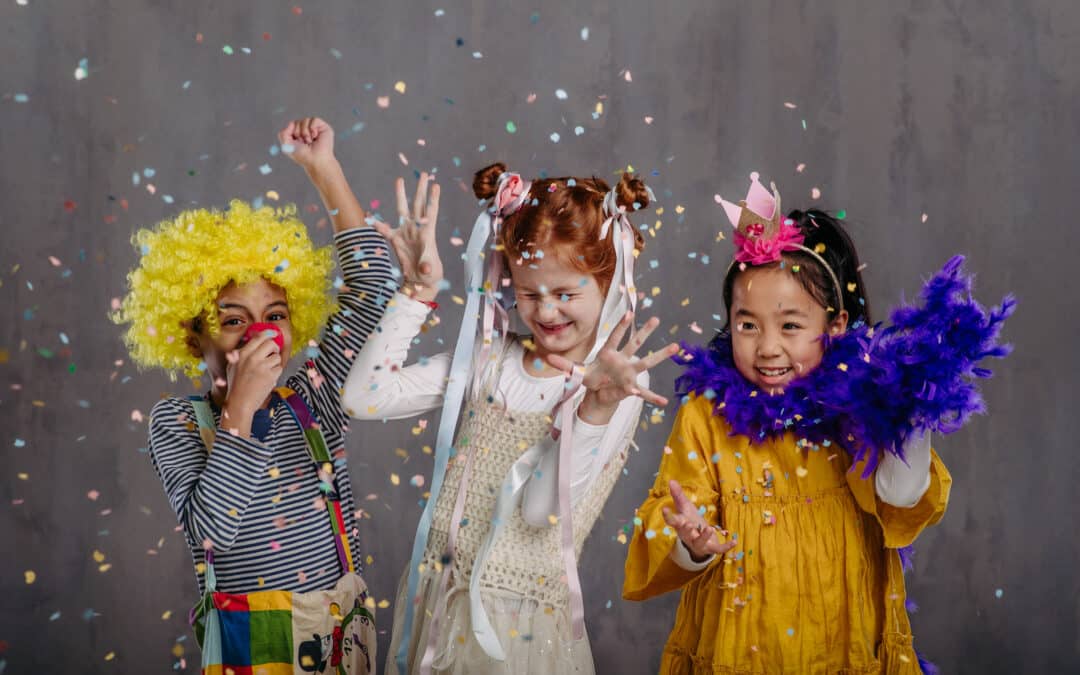
For international families living in Marbella, Madrid, or elsewhere in Spain, February brings a vibrant cultural celebration that might feel unfamiliar yet proves impossible to ignore: Carnival, or Carnaval as it’s known locally. This pre-Lenten festival transforms Spanish cities into colorful, joyful celebrations where entire communities participate in elaborate costumes, street parades, music, and dancing. Understanding this tradition helps international families fully embrace Spanish culture while ensuring children can participate meaningfully in school and community celebrations.
At The Governess & Co, our nannies — many of whom grew up celebrating Spanish Carnival—help international families navigate these cultural traditions, ensuring children feel included rather than confused by sudden costume requirements and festive disruptions to normal routines.
Understanding Spanish Carnival
Carnival represents Spain’s version of pre-Lenten celebrations found across Catholic cultures worldwide. Like Mardi Gras in New Orleans or Carnival in Brazil, Spanish Carnaval occurs in the days leading up to Ash Wednesday and the solemn Lenten season. The celebration’s core concept involves joyful excess before the traditional period of abstinence—a final burst of celebration before forty days of restraint.
However, Spanish Carnival possesses distinct characteristics that differentiate it from celebrations in other countries, particularly in how it embraces family participation and children’s involvement.
A Family-Centered Celebration
Unlike some Carnival traditions that focus primarily on adult revelry, Spanish Carnaval genuinely includes children as central participants rather than bystanders. Schools organize costume days with different themes throughout Carnival week. Communities host family-friendly daytime parades alongside evening adult celebrations. Children’s costume competitions and activities fill public spaces. Families attend events together, with grandparents, parents, and children all participating in the festivities.
This family-centered approach means international families with children can fully participate without concerns about age-appropriate activities or feeling excluded from adult-only celebrations.
What to Expect: Key Carnival Elements
International families new to Spanish Carnival benefit from understanding several key elements that characterize the celebration.
The Costume Imperative
Perhaps nothing surprises newcomers more than the seriousness with which Spanish culture approaches Carnival costumes. This isn’t optional or limited to special events—costumes become part of daily life during Carnival week.
Schools typically announce themed costume days throughout the week: Superhero Monday, Princess Tuesday, Animal Wednesday, for example. Children are genuinely expected to participate, and showing up without costumes can make children feel left out of collective experiences their classmates share.
Our nannies help families understand that these costume expectations aren’t burdensome impositions but rather opportunities for children to feel part of Spanish cultural traditions. They assist with costume planning, often creating simple options from household items when families haven’t prepared elaborate outfits.
The Parades (Cabalgatas de Carnaval)
Spanish cities host spectacular Carnival parades featuring elaborate floats, costumed performers, live music, and dancing that fills streets with color and sound. These parades occur throughout Carnival season, with major events typically happening the weekend before Ash Wednesday.
Importantly, Spanish Carnival parades occur at multiple times accommodating different audiences. Family-friendly daytime parades allow children to experience the spectacle at appropriate hours, while evening parades cater to adult celebration preferences. This scheduling ensures families can participate without keeping children out unreasonably late.
The parades are free, accessible, and genuinely spectacular. Even families accustomed to elaborate celebrations in other countries often find Spanish Carnival parades impressively creative and energetic.
Traditional Carnival Foods
Like most Spanish celebrations, Carnival includes specific traditional foods that appear in bakeries and homes throughout the season. These treats provide delicious cultural education for children while marking the celebration as special and distinct from ordinary weeks.
Torrijas—bread soaked in milk or wine, then fried and sweetened—represent perhaps the most iconic Carnival dessert. Similar to French toast but with distinctly Spanish preparation and flavors, torrijas appear in countless variations across regions.
Buñuelos—sweet fritters that can be filled with cream, chocolate, or fruit—also characterize Carnival celebrations. Bakeries create elaborate displays of these treats, inviting families to sample traditional flavors.
Our nannies help international families identify and try these traditional foods, explaining their cultural significance while introducing children to new flavors in low-pressure contexts where unfamiliar foods feel exciting rather than intimidating.
Regional Variations
Spain’s Carnival celebrations vary significantly across regions, with certain cities hosting particularly famous festivities that attract visitors from across the country and internationally.
The Canary Islands, particularly Tenerife and Gran Canaria, host Spain’s most elaborate Carnival celebrations rivaling Rio de Janeiro in scale and spectacle. Cádiz in Andalusia is famous for its satirical musical groups that perform humorous songs commenting on current events. Sitges near Barcelona hosts one of Spain’s most colorful and inclusive Carnival celebrations.
However, even smaller cities and towns celebrate Carnival with local parades, costume competitions, and community events that allow full participation without traveling to major celebration centers.
Practical Preparation for International Families
Understanding Carnival’s cultural significance helps, but international families also need practical guidance for participating successfully.
Costume Planning
Starting costume planning early prevents last-minute stress when schools announce theme days. Simple costumes created from household items often work better than elaborate store-bought options—Spanish Carnival values creativity and participation over expensive perfection.
Our nannies recommend keeping a costume supply box with basic items like fabric pieces, cardboard, markers, and accessories that allow quick costume creation for announced themes.
Managing Schedule Disruptions
Carnival week often brings altered school schedules, spontaneous community events, and general festive disruption to normal routines. Rather than resisting these changes, embracing them as temporary cultural experiences helps families and children feel part of Spanish life rather than frustrated by divergence from familiar patterns.
Professional nannies help maintain some routine elements—regular mealtimes, bedtimes, and homework expectations—while allowing flexibility for special Carnival activities and celebrations.
Cultural Participation as Integration
For international families, participating in Carnival represents valuable cultural integration opportunities. Children who dress up for school theme days, attend community parades, and try traditional foods develop deeper connections to Spanish culture and feel more included in their peer communities.
This participation demonstrates to Spanish neighbors and school communities that international families respect and value local traditions rather than remaining isolated in expatriate bubbles.
Conclusion
Spanish Carnival might initially feel overwhelming or unfamiliar to international families, but it represents one of Spain’s most joyful, inclusive cultural celebrations. The emphasis on family participation, children’s involvement, and community connection makes Carnival an ideal entry point for families wanting to embrace Spanish culture meaningfully.
At The Governess & Co, our culturally competent nannies help international families navigate Carnival and other Spanish traditions, ensuring children feel included while parents understand the cultural significance behind celebrations. This support transforms potentially confusing cultural differences into opportunities for enrichment and deeper integration into Spanish life.
This February, when Carnival season arrives, embrace the costumes, attend the parades, try the traditional sweets, and allow your family to experience the joy that characterizes this beautiful Spanish tradition. The memories created and cultural connections built during Carnival celebrations often become highlights of families’ time living in Spain.