
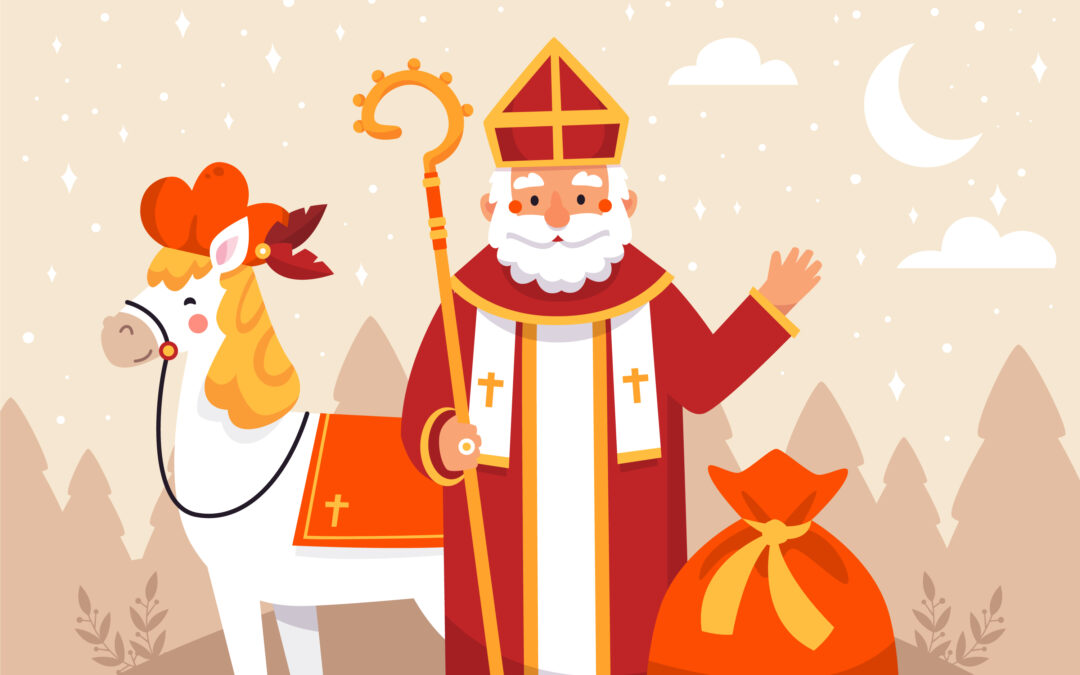
December in Spain brings a unique cultural landscape where international families navigate multiple gift-giving traditions alongside local customs. For families living in Marbella and Madrid’s diverse communities, understanding how different December celebrations coexist—and deciding which traditions to maintain—represents both an opportunity and a challenge. Saint Nicholas Day on December 6th occupies an interesting position within Spain’s holiday calendar, celebrated by some families while remaining relatively unknown to others, creating situations where neighbors might observe completely different December rituals.
At The Governess & Co, our multilingual nannies regularly support families maintaining diverse cultural traditions. Their expertise in honoring various customs while helping children understand their unique heritage proves invaluable for international families wanting to preserve meaningful traditions regardless of their current geographic location.
Understanding Saint Nicholas Day
Saint Nicholas Day, celebrated on December 6th, commemorates the historical Saint Nicholas of Myra, a fourth-century bishop known for his generosity and gift-giving. This celebration enjoys widespread popularity across much of Europe, though specific traditions vary considerably between countries and regions.
The Traditional Celebration
The classic Saint Nicholas tradition involves children leaving shoes—often by fireplaces, front doors, or windows—on the evening of December 5th. During the night, Saint Nicholas (or San Nicolás in Spanish-speaking contexts) fills these shoes with small gifts, sweets, oranges, and chocolates for children who’ve been good throughout the year.
In some traditions, naughty children historically received coal, though modern celebrations typically substitute chocolate coal or simply provide smaller treats rather than genuine punishment. The emphasis remains on rewarding good behavior while maintaining the magic and anticipation that makes childhood December celebrations memorable.
Regional Variations Across Europe
Saint Nicholas Day manifests quite differently across European countries. In the Netherlands, Sinterklaas arrives by steamboat from Spain and represents the most important gift-giving celebration, overshadowing Christmas itself in significance. German families celebrate Nikolaustag with similar shoe-filling traditions but within a broader Christmas season context.
Belgium, Luxembourg, Austria, and parts of France maintain robust Saint Nicholas traditions, while other European countries barely acknowledge the day. This variation creates situations where international families living away from their home countries must decide which traditions to maintain and how to explain these practices to children growing up within different cultural contexts.
Saint Nicholas Day in Spain
Within Spain itself, Saint Nicholas Day occupies a relatively minor position compared to the country’s major gift-giving celebration on January 6th—Día de Reyes or Three Kings Day.
Why the Tradition Remains Quiet
Spain’s strong cultural emphasis on Epiphany as the primary gift-giving occasion means that December 6th typically passes with little fanfare in most Spanish households. Local children don’t traditionally leave out shoes for Saint Nicholas because they’re anticipating the much grander celebration when the Three Wise Men bring presents more than a month later.
This creates interesting dynamics in international schools and communities where children from various backgrounds might celebrate completely different December traditions. Some classmates excitedly discuss Saint Nicholas visits while others have never heard of the custom, instead focusing entirely on preparations for Three Kings Day.
Regional and International Family Variations
However, some Spanish regions and families do acknowledge Saint Nicholas Day, particularly in areas with historical connections to broader European traditions or significant international populations. Marbella and Madrid, with their substantial expatriate communities, host families maintaining Saint Nicholas traditions alongside neighbors observing purely Spanish customs.
International families often deliberately preserve Saint Nicholas celebrations as connections to their heritage countries, creating beautiful cultural blends where children experience multiple December traditions rather than choosing between them.
Supporting Multiple Traditions in International Families
For families raising children across cultures, deciding which traditions to maintain requires thoughtful consideration of various factors including children’s understanding and appreciation of their diverse heritage, practical logistics of celebrating multiple occasions, and balancing different cultural influences without overwhelming children.
The Value of Cultural Continuity
Professional nannies working with international families understand that maintaining heritage traditions provides children with tangible connections to their backgrounds. When a Dutch family in Marbella celebrates Sinterklaas, their children develop understanding that their family’s customs differ from Spanish neighbors—and that this difference represents something valuable worth preserving.
These traditions become especially meaningful for children who might otherwise feel disconnected from heritage cultures they don’t experience daily. Celebrating Saint Nicholas Day while living in Spain helps children understand their family’s unique story and appreciate cultural diversity as normal rather than unusual.
Practical Implementation
Our nannies excel at facilitating these multi-cultural celebrations through their flexibility and cultural competence. They might help children prepare shoes for Saint Nicholas on December 5th, then weeks later assist with writing letters to the Three Kings, recognizing that both traditions hold meaning within the family’s unique cultural context.
This support proves particularly valuable when parents travel for work or feel overwhelmed by managing multiple celebration schedules. Professional caregivers ensure traditions continue consistently, preventing the gradual abandonment that often occurs when maintaining customs requires extra effort.
Explaining Cultural Differences to Children
Children growing up in international communities naturally encounter peers celebrating different traditions. This diversity creates wonderful opportunities for cultural learning but also requires age-appropriate explanations helping children understand why their celebrations might differ from friends’ experiences.
Building Cultural Pride Without Superiority
Professional nannies help children appreciate their unique traditions without developing attitudes of cultural superiority or feeling embarrassed about differences. They frame multiple traditions as enriching rather than confusing: “Isn’t it wonderful that your family celebrates both Saint Nicholas and the Three Kings? You get to experience traditions from different parts of your heritage!”
This approach helps children view cultural diversity as natural and valuable, developing the kind of cultural intelligence that serves them throughout increasingly globalized lives.
Sharing Traditions with Friends
International families sometimes choose to share their traditions with Spanish friends or classmates, creating cross-cultural learning opportunities. A family might invite Spanish neighbors to experience Saint Nicholas traditions, explaining the custom’s significance while learning about their neighbors’ Three Kings preparations.
Our nannies facilitate these cultural exchanges, helping children explain their traditions to curious friends and fostering the mutual respect and interest that characterizes healthy multicultural communities.
Balancing Multiple December Celebrations
For families maintaining both Saint Nicholas Day and Three Kings Day (plus potentially Christmas gift-giving), managing expectations about gifts and celebrations requires strategic planning.
Preventing Gift Overload
Multiple gift-giving occasions can create overwhelming abundance that undermines the special nature of each celebration. Thoughtful families often designate different scales for various occasions—perhaps small treats for Saint Nicholas, medium gifts for Christmas, and major presents for Three Kings Day.
Professional caregivers help maintain these distinctions, ensuring children understand that different celebrations involve different types of gifts rather than expecting major presents for every December occasion.
Preserving Individual Celebration Magic
Each tradition deserves its own special atmosphere rather than blending into undifferentiated December festivities. Our nannies help families create distinct experiences for different celebrations through unique rituals, foods, or activities associated with each tradition.
Saint Nicholas Day might involve traditional Dutch speculaas cookies and hot chocolate, while Three Kings Day features roscón de reyes and the excitement of the parade. These distinctive elements help children appreciate each tradition’s unique character.
The Role of Multilingual Nannies
Multilingual nannies bring particular value to families navigating multiple cultural traditions. Their language skills and cultural knowledge help maintain authentic celebrations rather than simplified versions that lose original meaning.
Language and Cultural Authenticity
A Dutch-speaking nanny can teach traditional Sinterklaas songs in proper Dutch, share authentic stories about the tradition, and maintain cultural details that monolingual caregivers might miss. Similarly, a Spanish-speaking nanny helps international families understand and appreciate local Three Kings customs with cultural authenticity.
This authenticity matters enormously for children developing connections to heritage cultures. When traditions are celebrated with genuine cultural knowledge rather than superficial imitation, children develop deeper appreciation and understanding.
Bridging Cultural Contexts
Multilingual nannies also help children understand how their various traditions relate to one another and to the broader cultural landscape. They can explain that Saint Nicholas inspired the Santa Claus figure in some countries, discuss how different cultures developed unique gift-giving traditions, and help children appreciate the historical and cultural contexts that created these diverse celebrations.
Long-Term Benefits of Multi-Cultural Celebrations
Children who grow up experiencing multiple cultural traditions often develop enhanced cultural intelligence, appreciation for diversity, and comfort navigating different cultural contexts—capabilities increasingly valuable in our interconnected world.
Cultural Flexibility and Adaptation
Children accustomed to celebrating both Saint Nicholas and Three Kings Day develop understanding that cultural practices vary legitimately and that different doesn’t mean wrong. This fundamental appreciation for diversity often extends beyond holiday traditions into broader cultural awareness and respect.
Heritage Connection and Identity
Maintaining heritage traditions helps children develop strong, positive identities that incorporate all aspects of their backgrounds. The Dutch-Spanish child who celebrates both Sinterklaas and Reyes develops understanding that they can embrace multiple cultural identities simultaneously rather than choosing between them.
Conclusion
Saint Nicholas Day in Spain occupies a unique position—a quieter celebration than in many European countries but maintained meaningfully by international families wanting to preserve heritage traditions. For families navigating multiple December customs, professional support from culturally competent nannies helps ensure that various traditions receive appropriate attention while children develop appreciation for their rich, diverse cultural backgrounds.
At The Governess & Co, our multilingual nannies understand that supporting families means honoring their complete cultural contexts, not just their current geographic locations. Whether helping families celebrate Saint Nicholas Day, Three Kings Day, or unique combinations of multiple traditions, our caregivers bring the cultural knowledge and flexibility that transforms potential complexity into enriching diversity.
The goal isn’t forcing children to choose between cultures but rather helping them embrace the beautiful complexity of their multicultural identities. When families receive professional support maintaining meaningful traditions, December becomes a season celebrating not just religious or cultural holidays but also the unique stories that make each family special.