
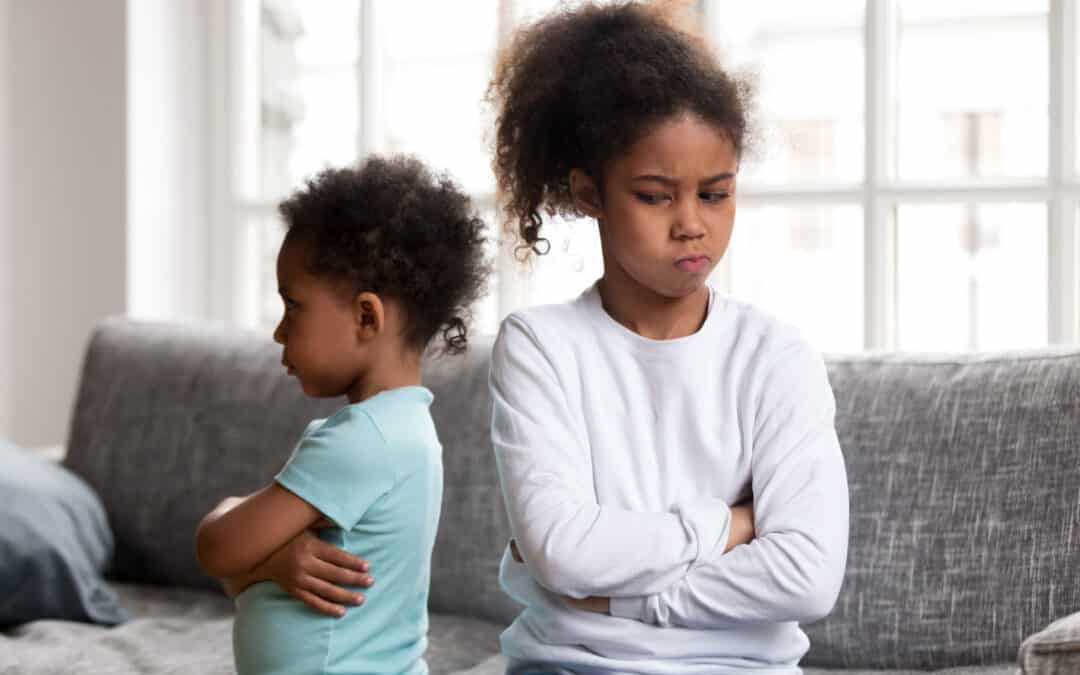
Few parenting challenges feel more exhausting than constant sibling conflicts. The arguing, tattling, physical fights, and relentless competition for parental attention create household tension that affects everyone’s wellbeing and often leaves parents questioning whether their children will ever genuinely like each other. Yet sibling rivalry represents not just normal development but actually healthy practice for navigating relationships, managing conflicts, and learning to coexist with people who possess different needs and perspectives. The goal isn’t eliminating all sibling conflict—that’s both impossible and undesirable—but rather managing rivalry constructively while building the foundation for lifelong sibling bonds.
At The Governess & Co, our nannies witness and manage sibling dynamics daily. Their professional experience across numerous families reveals patterns distinguishing households where siblings maintain mostly positive relationships from those characterized by constant hostility. Understanding these patterns helps families implement strategies that reduce destructive rivalry while supporting the healthy relationship development that transforms childhood competitors into adult allies.
Understanding Why Sibling Rivalry Exists
Before exploring management strategies, understanding the developmental roots of sibling rivalry helps parents and caregivers approach conflicts with appropriate perspective rather than viewing rivalry as evidence of parenting failure or children’s moral deficiencies.
Competition for Limited Resources
From children’s perspectives, parental attention, affection, and approval represent genuinely limited resources worth competing for. When one child receives parental focus, others experience real deprivation of something they need and crave. This competition doesn’t indicate that parents aren’t providing enough attention overall but rather reflects the reality that attention directed toward one child necessarily means less available for others in that moment.
This resource competition intensifies during developmental periods when children need extra parental support—starting school, struggling with friendships, or navigating difficult transitions. Siblings whose needs feel less urgent often perceive these periods as unfair favoritism rather than appropriate responsive parenting.
Identity Development Through Differentiation
Particularly in families where siblings are close in age or same gender, children often develop identities partly through differentiating themselves from siblings. If one child excels academically, siblings might pursue athletic or artistic excellence to establish distinct identities. This differentiation serves healthy identity development but can create competitive dynamics where children feel they must outperform siblings in their chosen domains to maintain their unique positions within family systems.
Genuine Personality and Interest Conflicts
Beyond competition and differentiation, siblings sometimes simply possess incompatible personalities, interests, or temperaments that create natural friction. The quiet, introverted child genuinely struggles with a boisterous, extroverted sibling’s constant noise and activity. The cautious, rule-following child feels stressed by an impulsive sibling’s risk-taking. These differences don’t indicate problems but rather normal human variation that requires navigation and accommodation.
Strategy One: Stop Comparing, Start Celebrating Uniqueness
Perhaps no parental behavior more reliably intensifies sibling rivalry than comparisons between children. While adults often intend comparisons as motivation—”Why can’t you be organized like your sister?”—children invariably experience them as messages about relative worth and parental preference.
The Damage of Comparison
When parents or caregivers compare siblings, several destructive dynamics emerge. Children conclude that parental love and approval depend on outperforming siblings rather than representing unconditional regard. Siblings become threats to children’s sense of security rather than potential allies and friends. Children who fare poorly in comparisons develop resentment toward both the favored sibling and the comparing adult.
Even comparisons intended positively create problems. Telling one child they’re “the smart one” while labeling another “the creative one” boxes children into narrow identities while suggesting they can’t possess traits assigned to siblings.
Celebrating Individual Strengths
Our nannies consistently practice celebrating each child’s unique qualities without reference to siblings. Rather than “You’re better at math than your brother,” they say “You really enjoy solving problems! I notice how focused you become during math.” This approach acknowledges the child’s genuine strengths while avoiding the implicit devaluation of siblings that comparison creates.
Professional caregivers also resist the temptation to typecast children into fixed roles. They notice and celebrate when the “athletic child” demonstrates creativity or when the “shy child” shows social courage, helping children develop multifaceted identities rather than feeling trapped in narrow family positions.
Recognizing Individual Needs
Celebrating uniqueness also means recognizing that different children need different things from parents and caregivers. Some children need more physical affection, others more verbal affirmation. Some require significant help with emotional regulation while others manage feelings independently. Some need frequent check-ins while others prefer autonomy.
When caregivers tailor their approach to individual needs rather than treating all children identically, each child feels genuinely seen and valued. This individualized attention reduces the desperate competition for recognition that fuels destructive rivalry.
Strategy Two: Fair Doesn’t Mean Equal
Children possess powerful drives toward fairness and become hypervigilant about perceived inequities in treatment, privileges, or resources. However, their understanding of fairness typically centers on identical treatment—everyone getting exactly the same things—rather than equitable distribution based on differing needs.
Teaching Equity Over Equality
Professional nannies invest significant effort in helping children understand that genuine fairness means everyone receiving what they need rather than everyone receiving identical treatment. This concept requires repeated explanation through concrete examples appropriate for children’s developmental levels.
A nanny might explain: “Your brother goes to bed later because he’s older and his body needs less sleep. When you’re his age, your bedtime will change too. Fair means everyone gets the bedtime their body needs.” Or: “You get extra reading help because reading is harder for you right now. Your sister gets extra math practice because that’s harder for her. Fair means everyone gets help with what’s challenging for them.”
Managing the “But That’s Not Fair!” Chorus
Despite these explanations, children will still protest inequities regularly. Our nannies respond with empathy while maintaining appropriate boundaries: “I understand it feels frustrating that your sister gets to stay up later. When you’re nine, you’ll have the same bedtime she has now.” This validates feelings while holding firm on appropriate differential treatment.
They also help children recognize areas where they receive special considerations based on their unique needs, building awareness that fairness operates in multiple directions rather than consistently favoring one child.
Age-Appropriate Privileges and Responsibilities
One area where differential treatment particularly matters involves age-appropriate privileges and responsibilities. Older children rightfully earn later bedtimes, more independence, and increased privileges alongside age-appropriate responsibilities and expectations.
Professional caregivers help younger children understand these progressions as something to anticipate rather than current injustices. They might say: “When you’re old enough to walk to school alone, you’ll have that privilege too. Right now, we’re keeping you safe by walking with you.” This framing helps younger siblings view differential treatment as developmental stages they’ll reach rather than permanent unfair disadvantages.
Strategy Three: Create Collaboration Opportunities
While much sibling rivalry management focuses on reducing conflict, equally important work involves actively building positive bonds through collaborative experiences where siblings succeed together rather than competing against each other.
Beyond Forced Sharing
The common parental directive to “just share” rarely builds positive sibling relationships because it typically means one child surrendering something they value to appease another child. This forced sacrifice creates resentment rather than connection.
Instead, our nannies create genuinely collaborative activities where siblings work together toward shared goals. Building elaborate block towers requires cooperation and complementary contributions. Creating art projects where one child draws while another colors demands teamwork. Scavenger hunts with siblings as partners rather than competitors build alliance.
Teamwork Against Adults
Children particularly enjoy collaborative challenges where siblings team up against adults. Our nannies might create races where “team siblings” competes against “team adults,” puzzles that siblings solve together while adults attempt parallel solutions, or building challenges where siblings collaborate to create something more impressive than the adult version.
These experiences help siblings view each other as valuable allies with complementary strengths rather than merely competitors for resources. The shared triumph of beating adults creates positive memories and association between siblings and success.
Recognizing Complementary Contributions
When facilitating collaborative activities, skilled caregivers specifically recognize how different siblings contribute complementary strengths. “Your sister had the creative idea, and you figured out how to make it work structurally—great teamwork!” This acknowledgment helps children appreciate rather than resent their differences while understanding that varied strengths create stronger teams.
Regular Collaboration Practice
Building sibling bonds through collaboration requires consistency rather than occasional special activities. Our nannies incorporate collaborative elements into daily routines—siblings working together to set the table, clean playrooms, or complete household tasks as teams. This regular practice normalizes cooperation and builds habits of working together rather than against each other.
Additional Considerations for Sibling Harmony
Beyond these three primary strategies, several additional factors contribute to managing sibling rivalry successfully.
Individual Time with Each Child
When children receive regular one-on-one time with parents or caregivers, their desperate competition for attention often decreases. Professional nannies working with multiple children ensure each receives some individual attention daily, even if brief. This dedicated time helps children feel valued as individuals rather than simply as parts of sibling groups.
Avoiding Favoritism (Even Unintentional)
Adults often develop closer connections with children whose personalities align with their own, but allowing these preferences to become visible creates deep wounds and intensifies sibling rivalry. Our nannies remain vigilant about distributing attention, affection, and positive regard equitably even when they naturally connect more easily with certain children.
Teaching Conflict Resolution Skills
Since sibling conflicts are inevitable, teaching constructive conflict resolution represents crucial work. Professional caregivers model and teach skills like using words instead of physical aggression, taking turns explaining perspectives, identifying compromise solutions, and knowing when to involve adults versus resolving issues independently.
Long-Term Perspective
Perhaps most importantly, managing sibling rivalry requires maintaining perspective about long-term relationship goals. The immediate goal isn’t eliminating all conflict or creating constant harmony but rather building foundations for lifelong relationships that will extend decades beyond childhood.
Siblings who learn to navigate differences, resolve conflicts constructively, appreciate each other’s unique qualities, and collaborate effectively often develop into adults who genuinely enjoy each other’s company and provide mutual support throughout life’s challenges. These adult sibling bonds prove among life’s most valuable relationships.
Conclusion
Sibling rivalry will never disappear completely, nor should it. The conflicts, competitions, and negotiations that characterize sibling relationships teach crucial life skills about navigating differences, managing conflicts, and maintaining relationships with people who possess varying needs and perspectives. However, the difference between destructive rivalry that damages lifelong relationships and healthy conflict that builds resilience and connection lies largely in how adults manage these dynamics.
At The Governess & Co, our nannies bring expertise in implementing strategies that reduce destructive rivalry while building genuine sibling bonds. By celebrating individual uniqueness rather than comparing children, teaching equity over equality, and creating collaborative experiences that help siblings view each other as allies rather than merely competitors, professional caregivers lay groundwork for sibling relationships that enrich children’s entire lives.
The investment in managing sibling dynamics thoughtfully pays dividends far beyond peaceful childhoods into the adult relationships that will support your children through decades of life’s joys and challenges. When siblings genuinely like each other, families gain resilience, connection, and support systems that prove invaluable throughout life.